Chesapeake Pro Locksmith Service Team
Local locksmith team
Aug 31, 2026 12 min read
Most people assume a locksmith can open anything — just show up, jiggle a pick, and the door swings open in seconds. That picture is partly true and partly a myth, and understanding the difference could save you time, money, and a lot of frustration. At Chesapeake Pro Locksmith, we get calls from homeowners near Great Bridge, drivers stranded off Battlefield Boulevard, and business owners along Greenbrier Parkway who all want the same honest answer: what can a skilled locksmith actually open, and what genuinely resists even an experienced professional's best tools and techniques?
The short answer is that the locksmithing trade has real limits — and those limits exist by design. Manufacturers invest heavily in locks that defeat bypass, picking, and drilling. Knowing which locks fall into that category helps you make smarter decisions about security upgrades, emergency planning, and when to simply call us versus when a situation may require a completely different solution. This guide breaks it all down plainly, from everyday door knob locks to fortress-grade commercial hardware.
## What Locks Can Locksmiths Not Open? Understanding the Real Limits of the Trade
The honest answer starts with terminology. When locksmiths talk about 'opening' a lock, they mean one of three things: picking (manipulating internal components without a key), bypassing (exploiting a design weakness to retract the bolt without touching the core), or destructive entry (drilling, cutting, or breaking the lock to gain access). High-security locks are engineered to defeat all three. They typically combine hardened steel anti-drill pins, anti-pick security pins, anti-bump features, and tight manufacturing tolerances that leave no meaningful gap for bypass tools. A skilled locksmith Chesapeake residents trust will always attempt the least destructive method first — but on certain locks, every non-destructive method is simply engineered out.
The locks that most consistently resist a qualified locksmith's toolkit fall into a few clear categories: high-security certified cylinders (such as those rated to UL 437 or equivalent international standards), certain mortise lock assemblies with reinforced cylinders, biometric and smart locks with encrypted electronics, certain vehicle transponder and proximity systems, and specialty safes built to jewelry or cash-rated standards. This is not a failure of skill — it is the product working exactly as advertised. Below, we walk through each category with practical context.
## The Mortise Lock and High-Security Cylinders: Built to Beat the Best
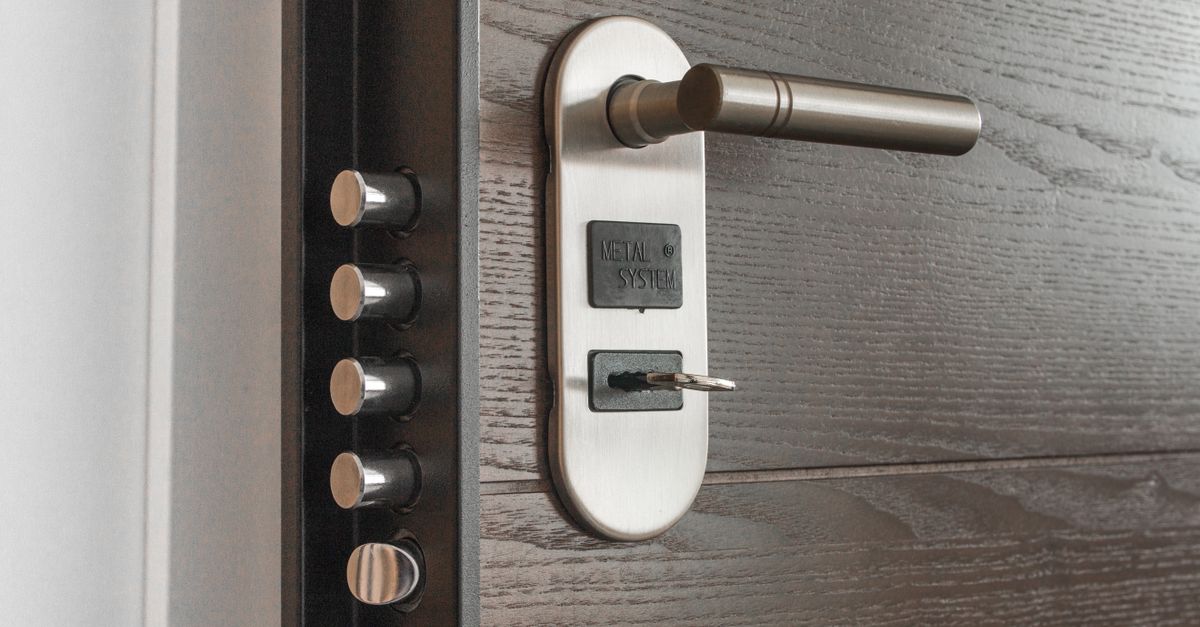
A mortise lock is fundamentally different from the spring-latch or cylindrical locks found on most residential doors. Instead of a simple bored-hole installation, a mortise lock sits inside a deep rectangular pocket cut into the door edge, integrating a deadbolt, latch, and often a strike plate reinforcement into one solid unit. Quality mortise lock hardware is common in older Chesapeake-area homes with heavy solid-wood doors, historic properties near the downtown waterfront, and virtually every serious commercial installation from medical offices to government facilities. Because the mortise lock housing is embedded in the door itself, it is far harder to attack from the outside — there is no exposed shackle, minimal gap for bypass tools, and the cylinder sits recessed behind a hardened collar.
When a mortise lock is paired with a high-security cylinder — think Mul-T-Lock, Abloy Protec2, or ASSA Abloy products — the combination can realistically defeat picking for hours. These cylinders use disc detainer or sidebar mechanisms instead of standard pin stacks, meaning conventional picks simply do not engage the right components. If you are locked out of a property secured by one of these assemblies and have lost all key copies, a locksmith's realistic options narrow to: obtaining the original key code from the manufacturer (which requires proof of ownership and can take days), or controlled destructive entry followed by a full cylinder replacement. We handle mortise lock work across the Chesapeake area regularly — installation, rekeying, and emergency opening — and we always confirm what hardware you have before quoting any work.
## Smart Locks, Biometrics, and Transponder Keys: When Electronics Change Everything
Electronic and smart locks present a different kind of challenge. A biometric fingerprint lock, a Bluetooth-enabled deadbolt, or a keypad-only entry system has no traditional keyway at all. There is nothing to pick because there is no pin stack. If the battery dies, most models have an emergency power port (usually a 9-volt terminal on the exterior) — and our emergency locksmith team carries the tools to power these up in the field. But if the lock's firmware is corrupted, the fingerprint sensor fails, or the internal circuit board shorts, the solution usually involves the manufacturer's own reset protocol or controlled removal of the lock body — not a locksmith pick.
Vehicle transponder keys and proximity fobs operate on a similar principle. A skilled automotive locksmith can cut a new key blade by code and, in many cases, program a new transponder to match your vehicle's immobilizer. But certain high-end vehicles use rolling-code proximity systems or encrypted immobilizer modules that require a dealer-level scan tool to program — tools that go beyond standard mobile locksmith equipment. If you are stranded with one of these vehicles, call us at (757) 785-4657 and we will tell you honestly whether we can handle it on the spot or whether a dealer authorization step is required first. We would rather give you that answer upfront than waste your time.
## Door Knob Locks, Standard Deadbolts, and What a Locksmith Can Open Quickly
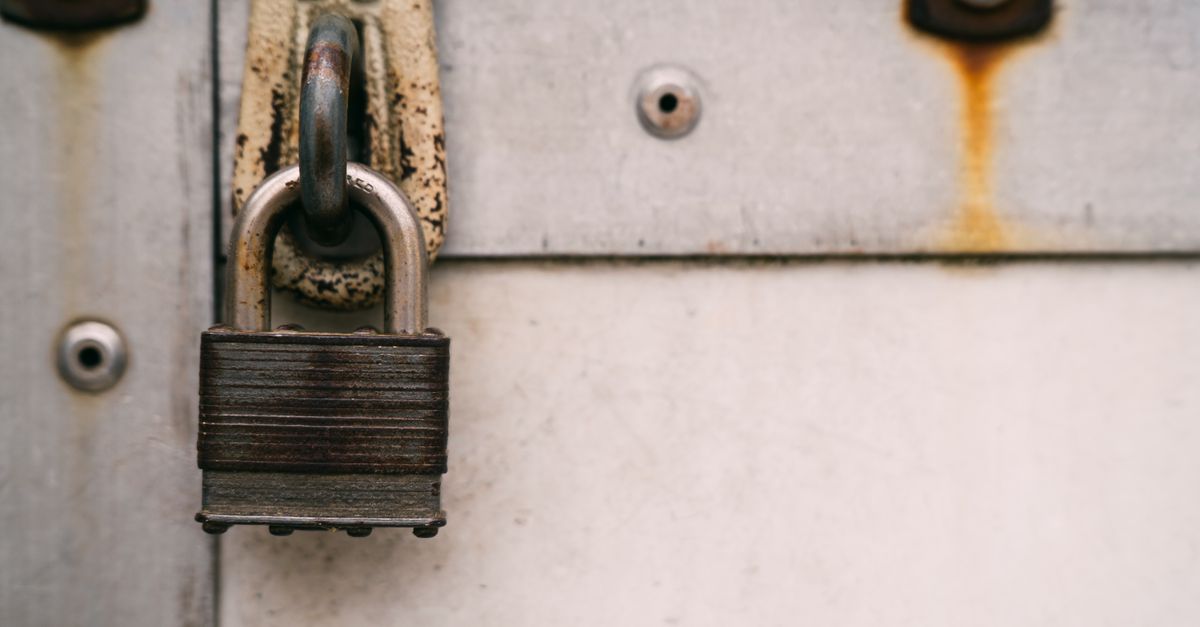
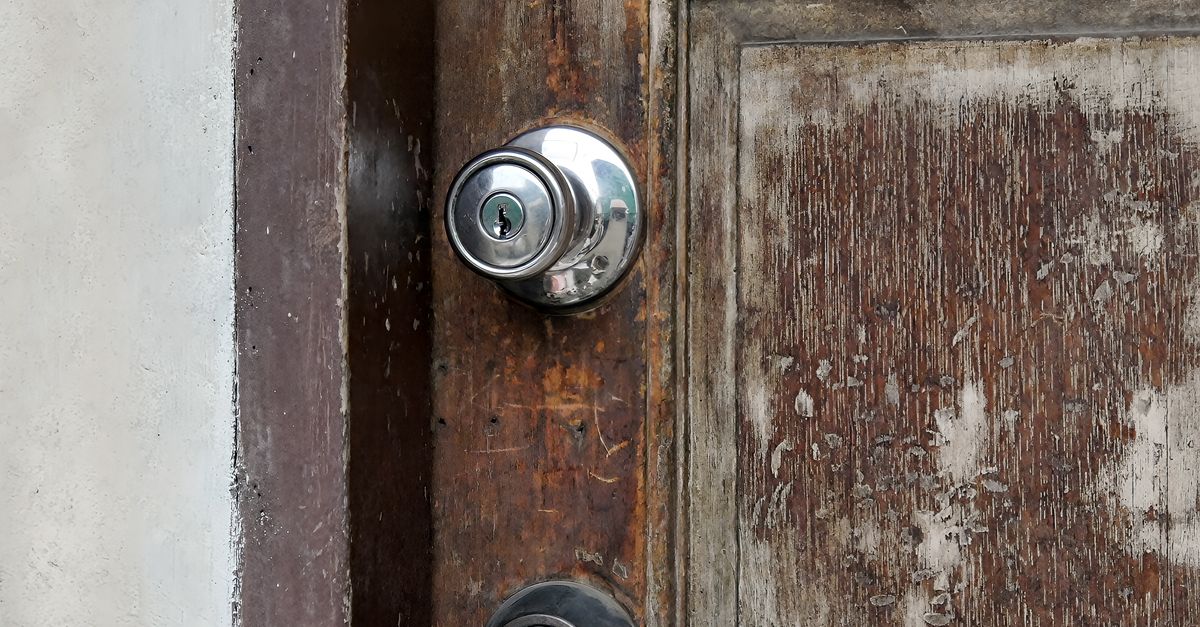
To balance the picture: the vast majority of everyday lockouts — a door knob lock on a residential bedroom, a standard Kwikset or Schlage deadbolt, a cabinet or mailbox lock, or a basic padlock — are well within what an experienced locksmith can open non-destructively in a short time. Door knob locks, in particular, are among the most common service calls we receive across Chesapeake neighborhoods from Hickory to Deep Creek. Most residential cylinders use standard five-pin stacks with modest security pins, and a trained locksmith carries the appropriate picks, tension tools, and bypass equipment to address them efficiently. This is the core of what emergency locksmith work looks like day to day: someone has locked their keys inside, a door knob lock has seized, or a deadbolt cylinder has worn to the point it will not turn even with the correct key.
The rule of thumb is this: the cheaper and more mass-market the lock, the more options a professional has. The more a manufacturer has invested in defeating locksmith tools, the fewer non-destructive options exist. This is not a judgment — it is simply the engineering tradeoff between convenience and security. If you want to know exactly where your current door hardware falls on that spectrum, our team can assess it during any service call and give you a plain-language answer about your real-world security level.
## Locksmith Chesapeake Specializations, Regulation, and What 'Qualified' Really Means
Locksmithing is a broad trade with real specializations. Residential locksmiths focus on home entry systems, rekeying, and key duplication. Automotive locksmiths specialize in vehicle entry, key cutting, and transponder programming. A commercial locksmith handles master key systems, mortise lock installation, access control wiring, panic hardware, and high-security cylinder upgrades for businesses. Safe technicians train specifically on combination mechanisms, relockers, and fire-rated vault hardware — this is a specialty within a specialty, and not every locksmith carries safe-cracking equipment or the training to use it responsibly. At Chesapeake Pro Locksmith, our team is experienced across residential, automotive, and commercial locksmith work, though we will always tell you when a job sits outside our scope.
Regarding regulation: in the United States, locksmith licensing requirements vary dramatically by state. Virginia does not currently mandate a statewide locksmith license in the way some other states do — a common question we hear phrased as 'Do you need a license to be a locksmith in Virginia?' The answer is that there is no single state-issued locksmith license required, though locksmiths operating as businesses must comply with standard Virginia contractor and business registration requirements. In the United Kingdom, the situation is similar in some respects — the UK has no mandatory government licensing for locksmiths either, though industry bodies there advocate for voluntary accreditation schemes. In contrast, countries like Australia and several European nations do require formal licensing. What this means practically for Chesapeake homeowners: always verify that a locksmith is insured, can confirm your ownership before performing any entry, and is willing to provide a written up-front quote — those are the real markers of a trustworthy professional, regardless of what a license requirement does or does not exist in your jurisdiction. Chesapeake Pro Locksmith is insured and follows strict ownership-verification procedures on every call. If you want peace of mind before we arrive, call us at (757) 785-4657 and we will walk you through exactly what to expect.
## When a Locksmith Cannot Help — and What to Do Instead
If you are dealing with a lock that genuinely defeats non-destructive entry — a certified high-security mortise lock cylinder with no key code on record, a biometric lock with a failed circuit board, or a jewelry-rated safe with an unknown combination — the honest path forward usually involves one or more of these steps: contact the lock or safe manufacturer directly with proof of purchase and ownership documentation; check whether the original installer kept a key code record (many commercial locksmiths log codes for exactly this reason); or authorize a controlled destructive entry, understanding that the lock or safe body will need replacement afterward. None of these are failure scenarios — they are simply the correct process for hardware that was specifically built to resist unauthorized access. The same engineering that protects you from a burglar also creates a higher bar for a legitimate locksmith.
What you should never do is attempt your own forced entry on a high-security lock using tools you find online. Beyond the obvious risk of injury, you are likely to damage the door, the frame, or the lock body in ways that make professional resolution more complicated and costly. Check first for a spare key with a trusted neighbor, verify whether another entrance is accessible, and then call a professional — we can often assess the situation by phone and tell you what realistic options exist before we even dispatch.
## Our Locksmith Services Across the Chesapeake Area
Chesapeake Pro Locksmith provides the following services to homeowners, drivers, and businesses throughout the Chesapeake area: residential lockout assistance, commercial lockout response, automotive lockout service, mortise lock installation and repair, mortise lock rekeying, door knob lock replacement, deadbolt installation and upgrade, high-security cylinder installation, master key system design, key duplication and cutting by code, transponder key programming, proximity fob replacement, ignition cylinder repair, car key replacement, lock rekeying after a move or lease change, mailbox and cabinet lock service, padlock opening and replacement, access control system installation, panic bar and exit hardware installation, safe opening (on supported models), safe combination changes, broken key extraction, door frame and strike plate reinforcement, lock repair after attempted break-in, and 24/7 emergency locksmith response across Chesapeake neighborhoods including Great Bridge, Deep Creek, Hickory, Greenbrier, and beyond. Pricing for any of these services is determined by the lock or vehicle type involved, the time of day, travel distance to your location, and any parts required — we confirm your exact up-front price before any work begins, with no surprises.
Frequently asked questions
What locks can locksmiths not open?+
Locksmiths can open most standard residential and commercial locks non-destructively. The locks that most reliably resist skilled locksmith techniques are high-security certified cylinders (including certain mortise lock assemblies with anti-pick, anti-drill, and anti-bump features), biometric and smart locks with failed electronics, certain encrypted automotive transponder systems, and high-rated safes. In these cases, non-destructive entry may not be possible, and the correct path involves manufacturer key codes, ownership documentation, or controlled destructive entry followed by replacement of the hardware.
Can a locksmith make a new key from a lock?+
Yes, in most cases. A trained locksmith can disassemble a lock cylinder, read the internal pin configuration, and cut a working key from that code — a process called 'keying by code' or 'impressioning.' This works reliably on standard residential and commercial cylinders including most door knob locks and deadbolts. For vehicle keys, a locksmith can often cut a new blade by VIN-based code and program a new transponder — though some high-security vehicle systems require additional manufacturer authorization steps. The feasibility and the factors that determine the final quote (lock type, vehicle make, whether parts are needed) are things we confirm before starting any work.
What is a locksmith call out fee?+
A call out fee is a charge that covers a locksmith's time and travel to reach your location, separate from the cost of the actual work performed. At Chesapeake Pro Locksmith, we provide a single confirmed up-front price before any work begins — that quote accounts for the type of lock or vehicle involved, the time of day (including overnight and weekend calls), travel distance within the Chesapeake area, and any parts required. We do not believe in quoting one number over the phone and presenting a different one at the door. Call us at (757) 785-4657 and we will give you a clear, honest quote before we dispatch.
Do you need a license to be a locksmith in Virginia?+
Virginia does not currently require a statewide locksmith-specific license the way some other states do. Locksmiths operating as businesses must meet standard Virginia business registration and tax requirements, but there is no single state-issued credential that every locksmith must hold. This makes it especially important for consumers to look for other trust signals: confirm the locksmith is insured, that they verify your ownership or authorization before performing any entry or key work, and that they provide a written up-front price. Chesapeake Pro Locksmith is insured and follows strict verification procedures on every call — we are happy to answer any questions about our qualifications before you commit to a service.