Access Control Installation: What the Hardware Terminology Actually Means
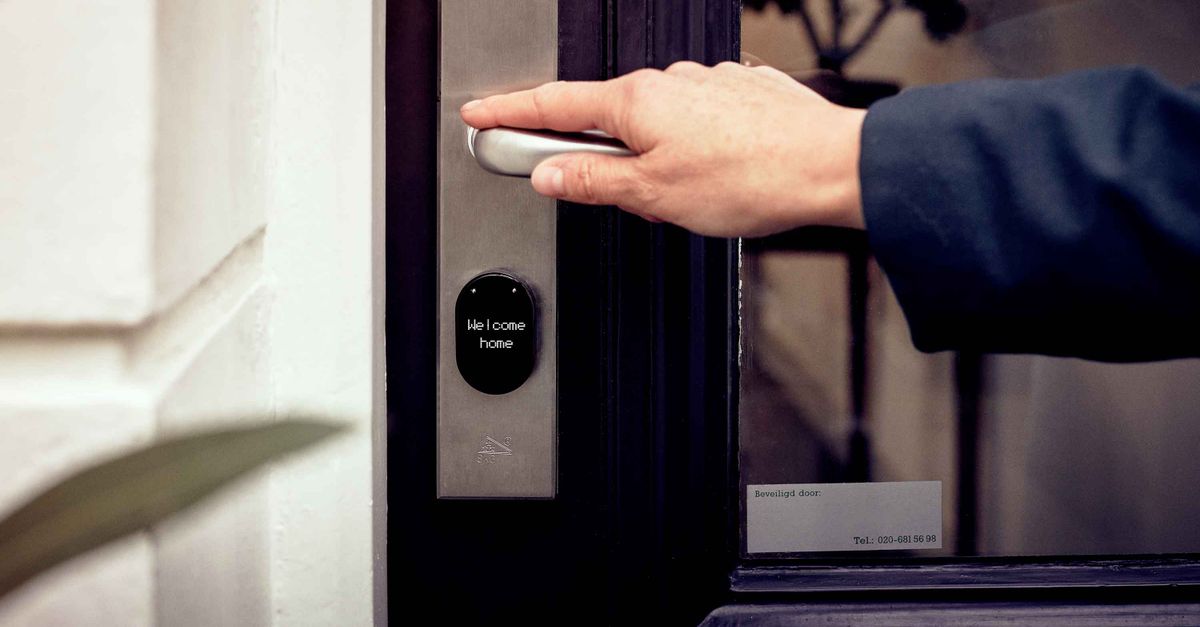
Words like 'access control' get used loosely, so it helps to pin down the specific components before any installation begins. A keypad entry system uses a PIN code entered on a numeric pad to trigger an electric strike or magnetic lock. A fob or card system reads a credential — either a proximity key fob or an RFID card — and releases the door when the credential matches the programmed database. A fully integrated electronic access system ties those readers into a control panel that logs entry events, enforces schedules, and can be managed remotely. Underneath all of these credential types, the door hardware itself must be robust enough to hold the electrified components securely, which is where the access control mortise lock comes in. Unlike a cylindrical lock body, a mortise lock is set into a rectangular pocket cut into the door edge, giving it far greater pull and shear resistance — critical when an electric strike or solenoid is cycling dozens of times per day.
Terminology also varies by the locking action. A 'fail-safe' lock releases when power is cut — required by fire codes in most egress paths. A 'fail-secure' lock stays locked when power is cut — appropriate for server rooms or sensitive storage areas. Getting this distinction wrong during installation is not just a security problem; it can be a life-safety code violation. Our technicians walk you through these choices in plain language before a single hole is drilled, because Chesapeake commercial properties near the Battlefield Boulevard corridor and the Greenbrier mixed-use district often have multi-tenant code requirements that affect the hardware spec.