Why Keys Break — and What Happens Inside the Lock
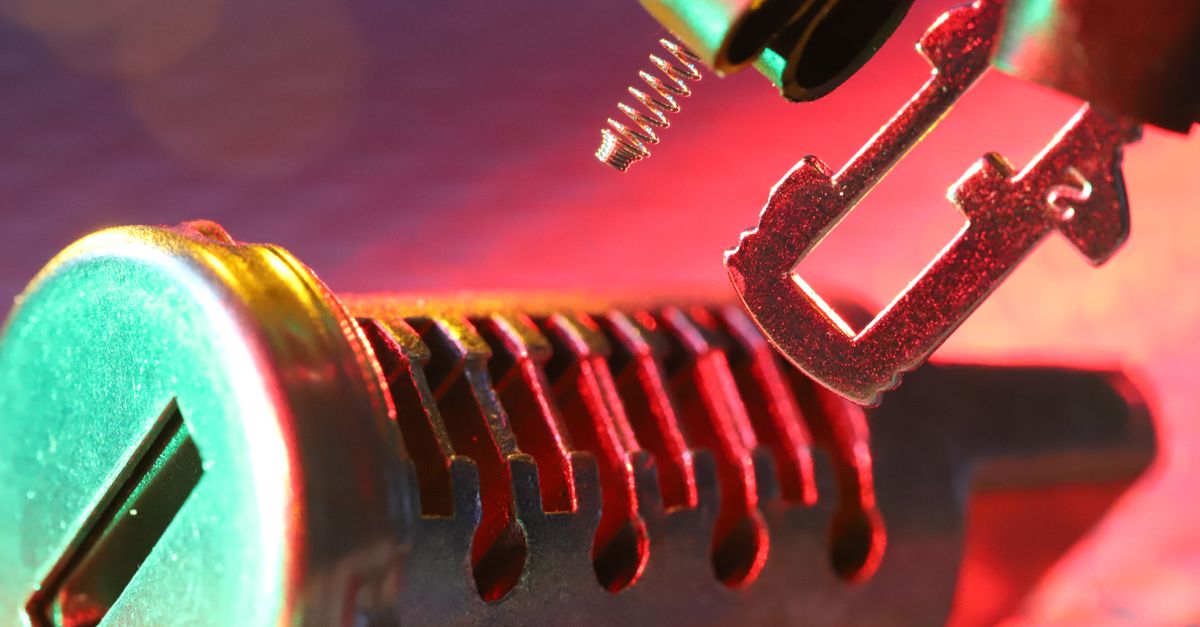
Keys fail for predictable reasons, and understanding them helps prevent a repeat incident. Brass and nickel-silver keys gradually develop micro-fractures along the bow or the blade shoulder after years of repeated bending stress. A worn lock cylinder that requires extra force to turn accelerates this fatigue dramatically. Chesapeake's humid, salt-air climate — familiar to anyone who lives near the Elizabeth River corridor or the Great Dismal Swamp edges — also plays a role: moisture causes cylinder pins to swell and bind, so users push harder, and a compromised key snaps. Automotive keys break at the head or the blade, while residential keys most often break at the tip or at the first groove closest to the bow. When the break occurs mid-turn, the broken fragment is under rotational pressure, which wedges it firmly against the cylinder's shear line and makes self-extraction attempts genuinely risky.
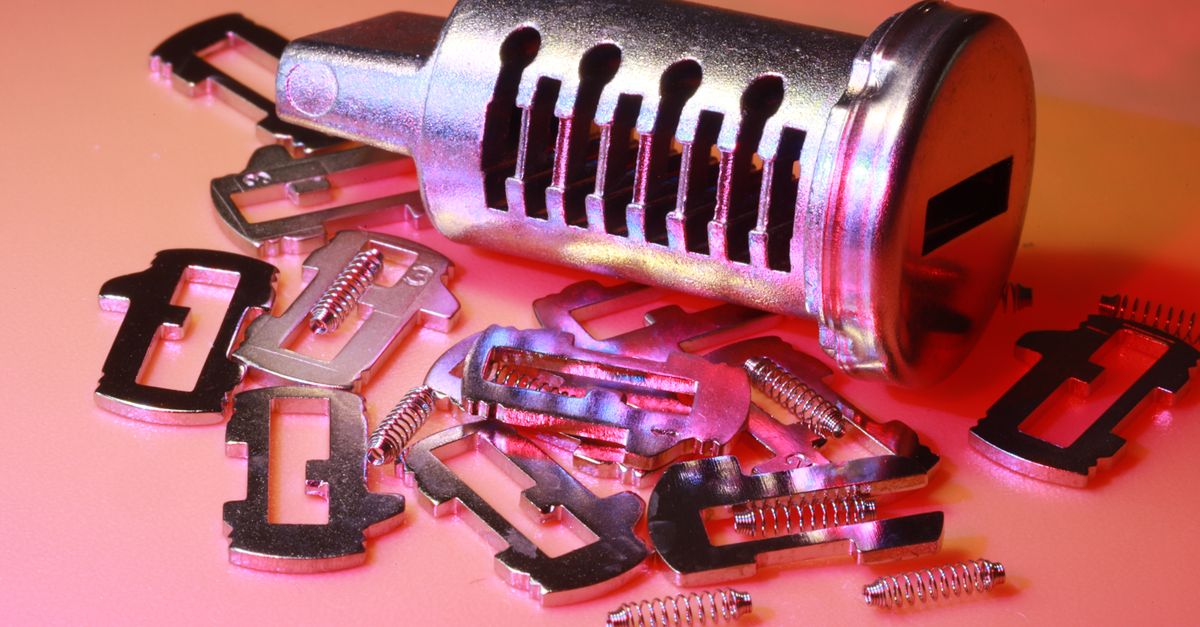
Attempting to grip and pull a flush or deeply recessed fragment with household tools — needle-nose pliers, tweezers, a straightened paper clip — almost always drives it deeper into the keyway or scores the delicate pin chambers inside the cylinder. On a mortise lock, the consequences are especially costly: mortise lock cylinders are precision components installed into a pocket milled into the door edge, and damaging the cylinder means a more involved repair. The same risk applies to the spring-loaded tumblers inside a door knob lock, which can be displaced by amateur probing and render the entire lock inoperable. The safest, most cost-effective first call is to a trained locksmith professional who carries the right extractor hooks, broken-key pullers, and compressed-air tools to do the job cleanly.