What Key Fob Programming Actually Involves — Transponders, Remotes, and Smart Keys Explained
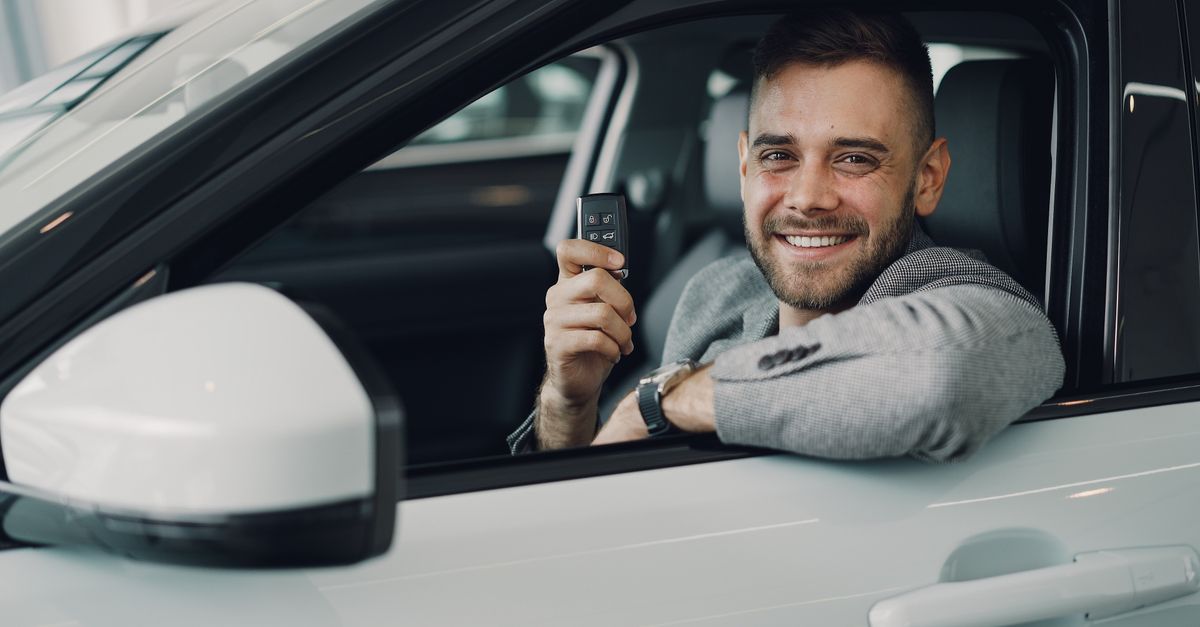
Many drivers use the terms 'key fob,' 'transponder key,' and 'remote key' interchangeably, but each refers to a different layer of technology. A transponder key contains a micro-chip embedded in its plastic head that exchanges a rolling encrypted code with your vehicle's immobilizer control unit every time you insert the key and turn the ignition. If the chip is not recognized, the immobilizer cuts fuel or ignition — and the car will not start even with a perfectly cut blade. A remote fob, by contrast, handles the radio-frequency functions: locking, unlocking, trunk release, and panic alarm. Many modern keys combine both functions into a single unit, while proximity smart keys add a third layer — push-button start and passive entry that detects the key's presence without any physical contact. Understanding which technology your vehicle uses tells our technician exactly which programming protocol and diagnostic equipment are needed before they arrive.
Chesapeake Pro Locksmith's mobile units carry professional-grade key programming tools capable of communicating with the on-board diagnostic port on the vast majority of domestic and import vehicles on the road in Virginia today. The programming process itself involves pairing the new or replacement key's chip identity with the vehicle's engine control module, then confirming the radio-frequency pairing for any remote functions. Damage-free where possible is a principle we take seriously — no dashboards are pried apart, no wiring is spliced, and no factory security systems are altered beyond the legitimate programming sequence the manufacturer intended.