Car Key Replacement by Vehicle Make and Model — Why It Matters
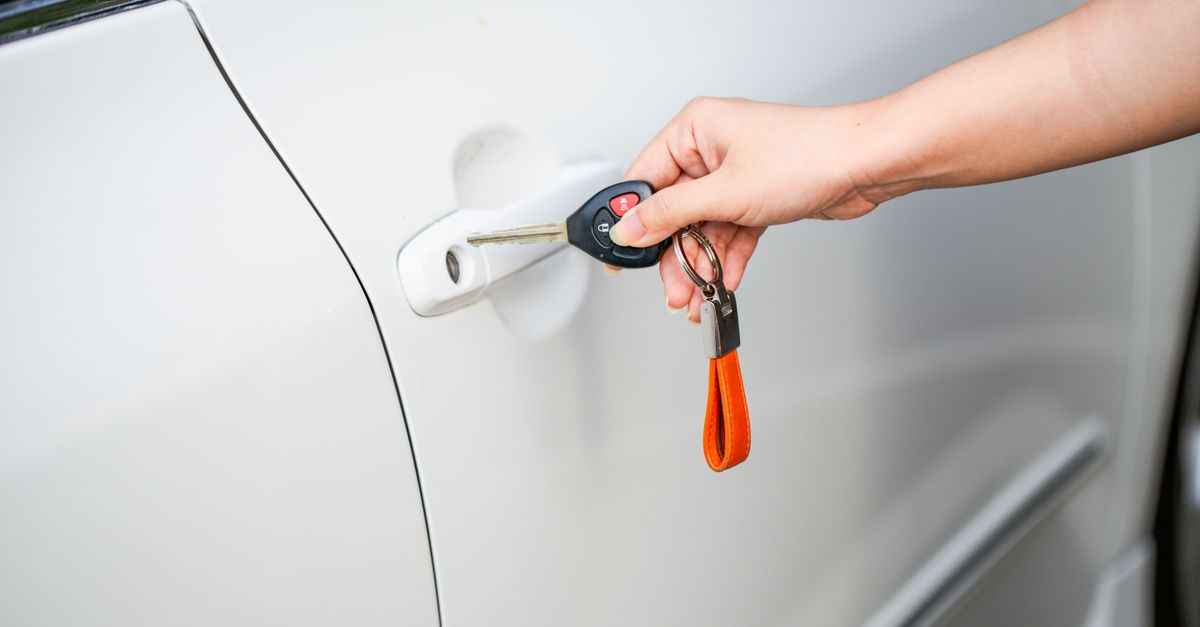
Not all replacement keys are created equal. A basic metal key for an older domestic vehicle like a pre-2000 Chevrolet Silverado requires a straightforward cut — no programming, no microchip. Move forward a decade and nearly every make on the road shifted to transponder keys, where a small chip embedded in the key head must be paired electronically to the vehicle's immobilizer system. Skip to the current generation of cars from Toyota, BMW, Kia, Ford, and others, and you are dealing with proximity fobs, push-button start systems, and smart keys that communicate wirelessly with multiple vehicle modules. Our technicians study vehicle-specific requirements by make, model, and year so the replacement is done correctly the first time.
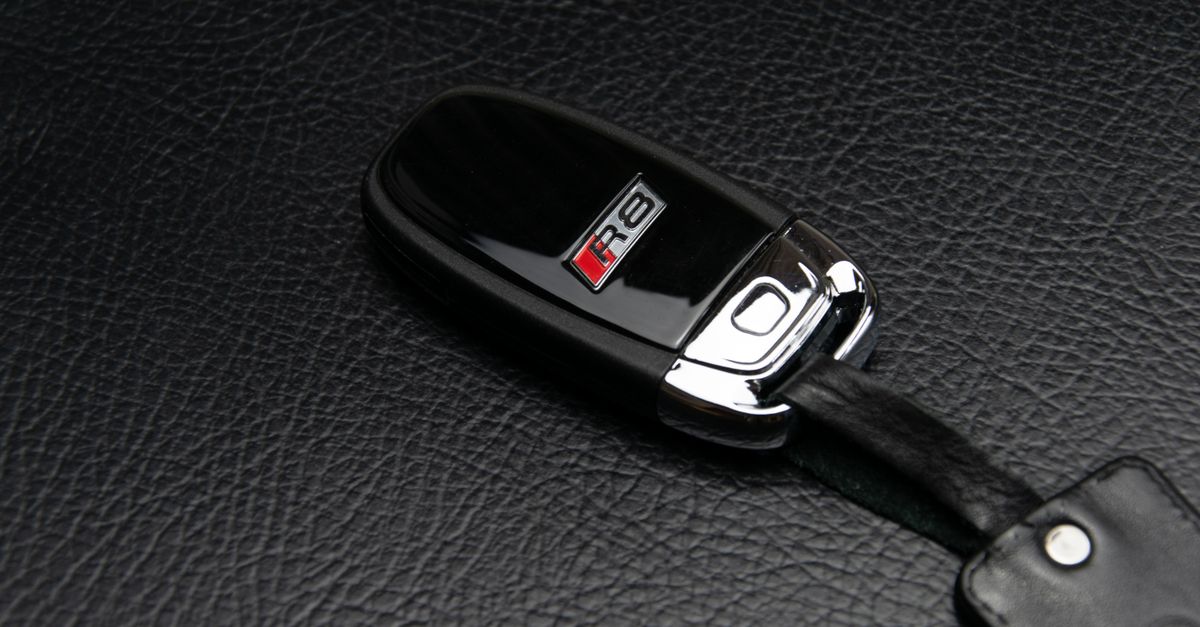
Common replacement types we handle include: standard cut keys for classic and older American vehicles; transponder keys for mid-range and modern sedans and trucks; laser-cut or sidewinder keys used extensively by German manufacturers like Volkswagen and Mercedes-Benz; proximity smart keys and key fobs for push-to-start vehicles; switchblade flip keys common on Hondas, Chevrolets, and Dodge models; and high-security keys for luxury brands such as Lexus, Cadillac, and Audi. For programming, our mobile units connect directly to a vehicle's OBD-II port using manufacturer-grade diagnostic tools, completing transponder and proximity key pairing on location — whether you are parked on Battlefield Boulevard, stranded near the Great Bridge area, or stuck in a parking lot off Greenbrier Parkway.