What a Mortise Lock Is and Why Commercial Doors Depend on It
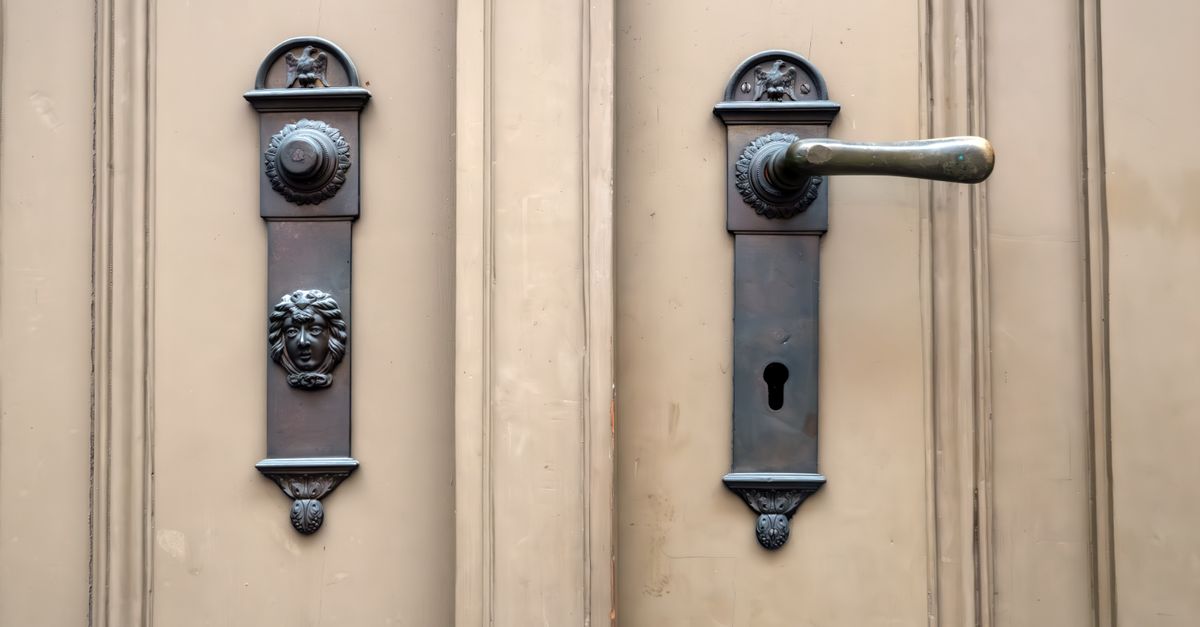
A mortise lock is defined by its installation method: the lockset body is recessed into a precisely cut mortise — a deep rectangular cavity — within the door stile, rather than sitting on the door's surface. The result is a mechanism that is structurally integrated with the door itself. The full mortise lock set typically includes a case containing the latchbolt and deadbolt, a trim assembly with lever or knob handles, a separate mortise lock cylinder on the exterior, and a strike plate mortised into the door frame. Because the lock case is concealed within the door, it is far more resistant to physical attack than rim-mounted alternatives, and it can accommodate a much wider range of functions: classroom lockdown, storeroom, office, and hotel functions are all available within the same basic case format.
This sophistication is why commercial buildings — schools, government offices, healthcare facilities, retail chains, and mixed-use developments — spec mortise hardware as their primary entry control. Brands like Corbin Russwin and Baldwin have long set benchmarks in heavy-duty commercial applications. A Corbin Russwin mortise lock, for example, is engineered to sustain millions of operating cycles, and a Baldwin mortise lock is widely valued for precision brass and stainless steel construction. Beyond traditional mechanical systems, the category now includes the electric mortise lock, which integrates an electrified solenoid or motor into the standard mortise case to allow access control integration, credential readers, and remote release capability. Smart mortise lock variants extend this further, pairing electronic locking with Bluetooth, RFID, or networked access management. Chesapeake Pro Locksmith services the full spectrum of these systems — mechanical, electrified, and smart — on commercial entry doors throughout the region.