Chesapeake Pro Locksmith Service Team
Local locksmith team
Aug 17, 2026 11 min read
You've searched every drawer, checked every coat pocket, and called everyone who might have a spare — and the key to your front door or your car is simply gone. No original, no copy, nothing. If you're standing outside your home near the Great Bridge area of Chesapeake or sitting in a parking lot off Battlefield Boulevard wondering what happens next, here's the reassuring truth: a skilled locksmith can create a working key from scratch, directly from the lock itself, without ever needing to see the original.
This isn't a workaround or a last resort — it's a precise, professional service that trained locksmiths perform every day, on everything from a basic door knob lock to a high-security mortise lock on a commercial property. Understanding how it works, and when to call for help, can save you hours of frustration and help you make confident decisions when you're already stressed.
## How a Locksmith Reads a Lock to Cut a Brand-New Key
When you lose every copy of a key, a locksmith's first tool isn't a blank — it's a process called lock decoding. A trained technician examines the internal components of your lock, most commonly the pin tumbler stack inside a cylinder, to determine the exact 'bitting' — the series of cuts that corresponds to your specific key. On a standard residential deadbolt or door knob lock with key access, this is done by carefully removing the lock cylinder and using a specialized decoding tool or a plug follower to read each pin's height in sequence. That sequence of measurements is then translated into a key code, which is used to cut a new blank on a code-cutting machine to precise tolerances.
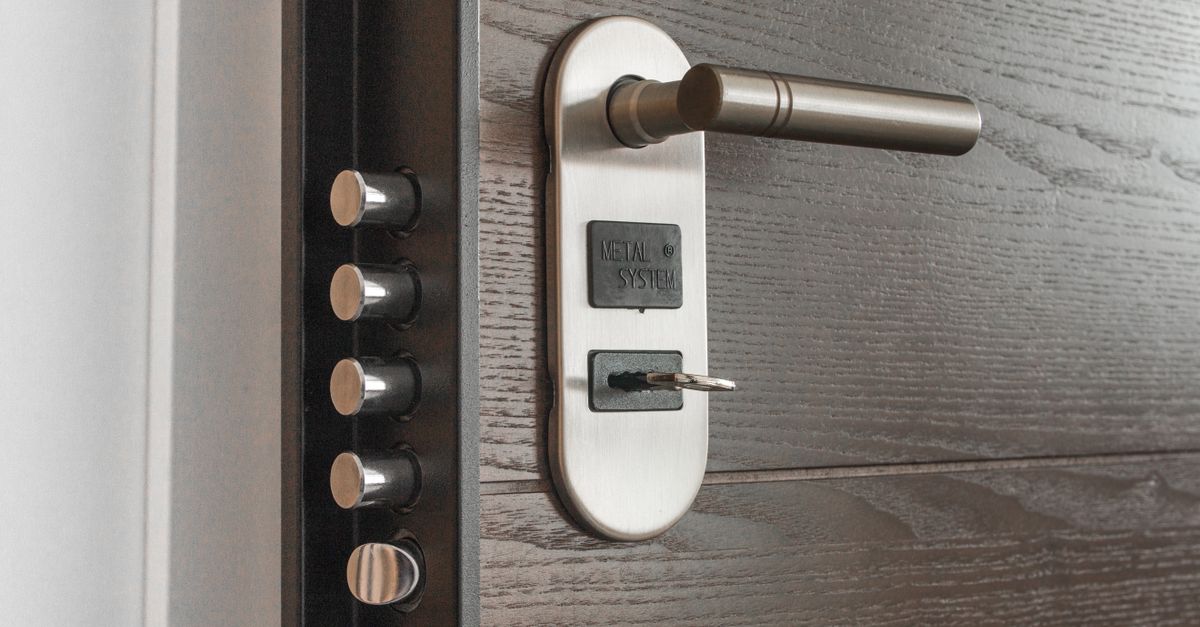
On a mortise lock — the rectangular, multi-component lock body commonly found in older Chesapeake homes, historic storefronts, and commercial buildings throughout the area — the decoding process is slightly more involved because the lock integrates the latch, deadbolt, and sometimes a privacy function into a single unit. Our technicians are experienced with mortise lock anatomy and can decode, service, or rekey these systems without damaging the door or the surrounding hardware. This is a job that requires real hands-on knowledge, not just a generic toolkit.
## Door Knob Locks, Deadbolts, and Mortise Lock Systems: Why the Lock Type Matters
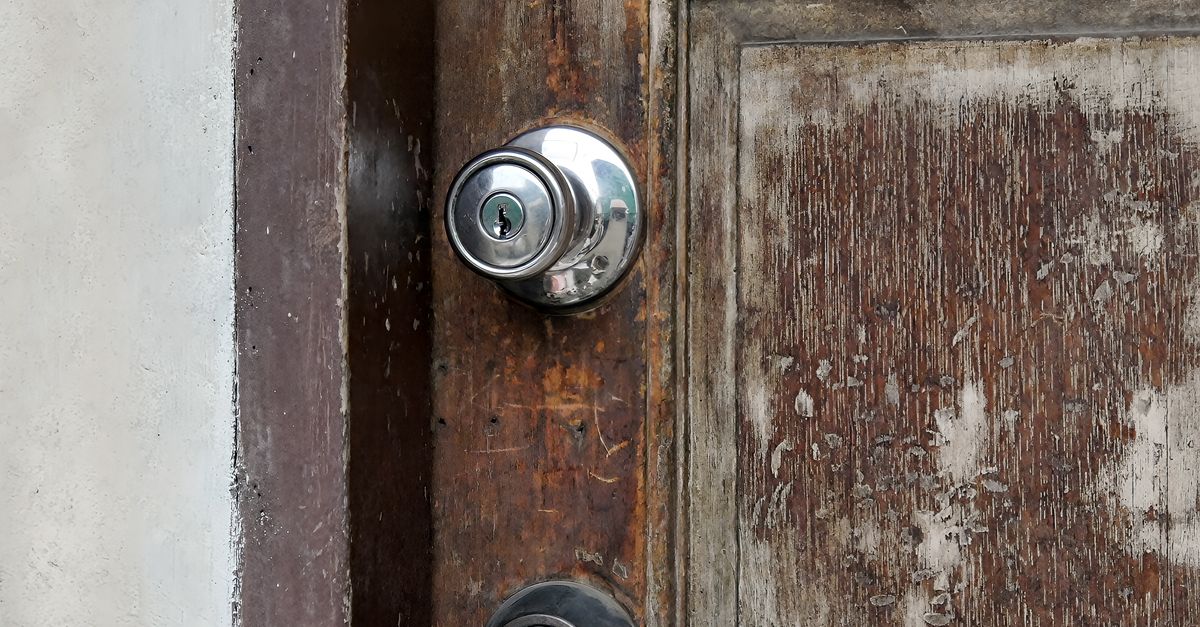
Not all locks decode the same way, and understanding the differences helps you know what to expect from the service call. A simple door knob lock on an interior bedroom door is typically a straightforward pin-tumbler cylinder — quick to decode, quick to cut. A heavy-duty deadbolt on your front entry, a Schlage or Kwikset mortise lock on a commercial door, or a sidebar-equipped high-security cylinder all require progressively more time, specialized tools, and deeper technical knowledge. The type of lock is one of the key factors that determines how long the job takes and what the final quote will be — along with the time of day, your location in the Chesapeake area, and whether replacement parts are needed.
Car keys add another layer of complexity. Modern vehicle keys contain a transponder chip programmed to communicate with your car's ignition control module. A locksmith working on an automotive key can't just cut the correct blade — they also need to program a new chip to match your specific vehicle's immobilizer. This requires professional diagnostic equipment and vehicle-specific software. The make, model, and year of your car all influence the process, which is why we confirm an exact up-front price before any work begins, so there are no surprises when the job is done.
## Emergency Locksmith Services: What Happens When You Call Us
When you call Chesapeake Pro Locksmith at (757) 785-4657, you're reaching a 24/7 mobile team — not an answering service. Our technicians are dispatched from within the Chesapeake area, which means we can reach neighborhoods like Deep Creek, Greenbrier, and South Norfolk without the long wait times you'd get from a distant dispatch center. When we arrive, the first thing we do is verify ownership or authorization — a step that protects you as much as it protects everyone else. For a home, that typically means showing a photo ID matching the address. For a vehicle, your registration or title does the job.
Once ownership is confirmed, the technician assesses the lock, explains the decoding or key-origination process in plain language, and gives you a firm quote before touching anything. As a genuine emergency locksmith service, we carry a wide inventory of key blanks — residential, commercial, and automotive — so in most cases we can cut and deliver a working key in a single visit. We also carry the equipment to handle mortise lock systems on the spot, which many mobile services are not equipped to do. If you're locked out right now, don't wait — call (757) 785-4657 and we'll get someone moving toward you immediately.
## Rekeying, Replacing, and Knowing the Difference: A Practical Guide for Homeowners
Once you have a working key again, it's worth taking a moment to think about whether your lock's security has been compromised. If you lost your keys and aren't sure who might have found them, simply having a new key cut from the old lock isn't enough — anyone with a copy of the original can still get in. This is exactly what it means to rekey a lock: a locksmith changes the internal pin configuration inside the cylinder so that the old keys no longer work and only the new ones do. Knowing how to rekey a lock — or rather, knowing when to call a professional to do it — is one of the most cost-effective security decisions a homeowner can make. You keep your existing hardware, you just get a fresh start on who has access.
Rekeying is different from how to change a lock entirely. Changing a lock means replacing the entire hardware unit — knob, lever, deadbolt, or mortise body — which makes sense when the hardware is damaged, outdated, or you want to upgrade to a higher-security grade. How to change a lock on a door is a question we hear often, and the honest answer is: it depends on the door prep, the lock type, and what you're replacing it with. A standard cylindrical deadbolt swap is relatively simple; replacing a mortise lock requires precise fitting and alignment work that's easy to get wrong without experience. Our technicians can walk you through the best option for your specific door and security goals — and handle the installation the same visit.
## Locksmith Specializations, Virginia Regulations, and What You Should Know Before You Call
The locksmith trade covers a much wider range of specializations than most people realize. Residential locksmiths handle home entry systems, rekeying, and safe work. Automotive locksmiths focus on vehicle entry, key cutting, and transponder programming. Commercial locksmiths — including our team — work with master key systems, access control, panic hardware, and complex mortise lock installations in offices and retail spaces. There are also safe technicians, vault specialists, and forensic locksmiths who work with law enforcement. Knowing which specialization covers your situation helps you make sure you're calling the right kind of help.
A question we hear regularly is: do you need a license to be a locksmith in Virginia? Virginia does not currently have a statewide licensing requirement specifically for locksmiths in the way that some other states do — though locksmiths who perform certain work may operate under broader contractor or business regulations depending on scope. By contrast, the United Kingdom operates under a voluntary registration scheme where locksmiths can join bodies like the Master Locksmiths Association, and many EU countries maintain formal licensing frameworks. In the United States, states like Texas and Louisiana require locksmiths to hold state-issued licenses, while others like Virginia rely more on general business accountability. What this means practically: when you call any locksmith, you should ask about their experience, whether they are insured, and whether they provide a written quote before work begins. At Chesapeake Pro Locksmith, we are insured, our technicians are trained and experienced across residential, automotive, and commercial work, and we always confirm pricing upfront — so you have a clear basis for trust regardless of what any regulatory framework requires.
## Locks That Present Challenges — and When Key Origination Has Limits
A question worth addressing honestly: what locks can locksmiths not open — or at least not open easily? High-security cylinders with anti-pick, anti-drill, and anti-decode features — such as certain Medeco, Abloy, or Mul-T-Lock systems — are engineered specifically to resist the standard decoding and impressioning techniques that work on conventional hardware. This doesn't mean a professional can't help, but it does mean the process may be more involved, potentially requiring the manufacturer's key records or a controlled disassembly. Similarly, some electronic smart locks and biometric systems require a factory reset process rather than traditional key origination. If you're not sure what kind of lock you have, describe it to us when you call — our technicians can usually identify the system and set accurate expectations before anyone drives out.
It's also worth understanding what a locksmith call out fee covers. When a mobile locksmith responds to your location, there are costs associated with travel, time, and keeping a fully stocked service vehicle ready around the clock. Some companies quote a low base fee and then add charges for labor and parts separately; others, like our team, prefer to give you a single confirmed price that covers the full job before work starts. Factors that affect that price include the type of lock or vehicle, whether key origination, rekeying, or a full lock change is needed, your location within the Chesapeake service area, and the time of day — overnight and weekend calls involve different logistics than a standard daytime visit. There will never be a surprise charge added after the fact.
## Our Services: What Chesapeake Pro Locksmith Covers
We handle a broad range of lock, key, and security needs across the Chesapeake area: residential lockout response, automotive lockout response, key origination from lock (no original needed), mortise lock decoding and key cutting, mortise lock installation and repair, door knob lock rekeying, deadbolt rekeying, master key system setup, commercial lockout response, transponder key cutting and programming, smart key fob programming, high-security cylinder installation, lock hardware replacement, safe opening and combination changes, padlock keying, broken key extraction, door hardware installation, lock grade upgrades, mailbox lock service, garage entry lock service, apartment complex rekeying, office and retail lock service, access control consultation, duplicate key cutting from an original, and after-hours emergency response seven days a week. Whether you need a single key cut or a full commercial rekeying project, our mobile team comes to you fully equipped.
Frequently asked questions
Can a locksmith really make a new key from a lock with no original?+
Yes — this is a standard professional service called key origination or key-by-lock. A trained locksmith decodes the internal pin configuration of your lock cylinder to determine the exact cut sequence, then uses that data to cut a new key from a blank. It works on most residential deadbolts, door knob locks, mortise lock systems, and many automotive locks. The process does not damage your lock when performed correctly by an experienced technician.
What is a locksmith call out fee, and what does it include?+
A call out fee covers the cost of a mobile technician traveling to your location with a fully equipped service vehicle. What it includes varies by company. At Chesapeake Pro Locksmith, we give you one confirmed price before any work begins — a price that accounts for travel, labor, and any parts needed. Factors that influence the final quote include your location in the Chesapeake area, the type of lock or vehicle involved, the specific service required (key origination, rekeying, full lock change), and the time of day. You will never receive an unexpected charge after the job is complete.
What does it mean to rekey a lock, and is it different from changing the lock?+
When you rekey a lock, a locksmith changes the internal pins inside the existing cylinder so that your old keys no longer work — only new keys cut to the updated configuration will open it. The lock hardware itself stays in place. This is the right choice when you've lost keys, moved into a new home, or want to limit who has access without replacing your hardware. Changing a lock means replacing the entire hardware unit — the knob, deadbolt, or mortise body — which makes sense when the hardware is worn, damaged, or you're upgrading to a higher security grade. Our technicians can assess your situation and recommend the most appropriate option.
Do locksmiths in Virginia need a license to operate?+
Virginia does not currently maintain a dedicated statewide licensing requirement specifically for locksmiths, unlike states such as Texas or Louisiana where formal locksmith licenses are required by law. This differs from the approach in the United Kingdom and many countries in the European Union, where registration or licensing schemes are more structured. In Virginia, the key things to verify when hiring a locksmith are whether the technician is insured, whether they provide a written or confirmed quote before starting work, and whether they ask for ownership verification before performing any service. Chesapeake Pro Locksmith is insured and follows all of these practices — our technicians are experienced, qualified, and transparent about pricing from the first call.